On this page (24)
- Understand the proposal's purpose
- Write a concise concept statement
- Describe the target audience
- Research comparable titles
- Explain the author's platform honestly
- Build a chapter-by-chapter outline
- Prepare strong sample material
- Address research and access needs
- Choose a realistic scope and schedule
- Adapt to the publishing route
- Common proposal mistakes
- A final proposal checklist
- Conclusion
- Write the positioning in plain language
- Show why the timing matters without hype
- Make the sample reflect the proposed book
- Keep market claims evidence-based
- Prepare for submission follow-up
- Frequently Asked Questions
- Do I need a complete manuscript for a nonfiction proposal?
- How many comparable books should I include?
- What if I do not have a large author platform?
- Can a proposal help self-published authors?
- Should I hire someone to help with a proposal?
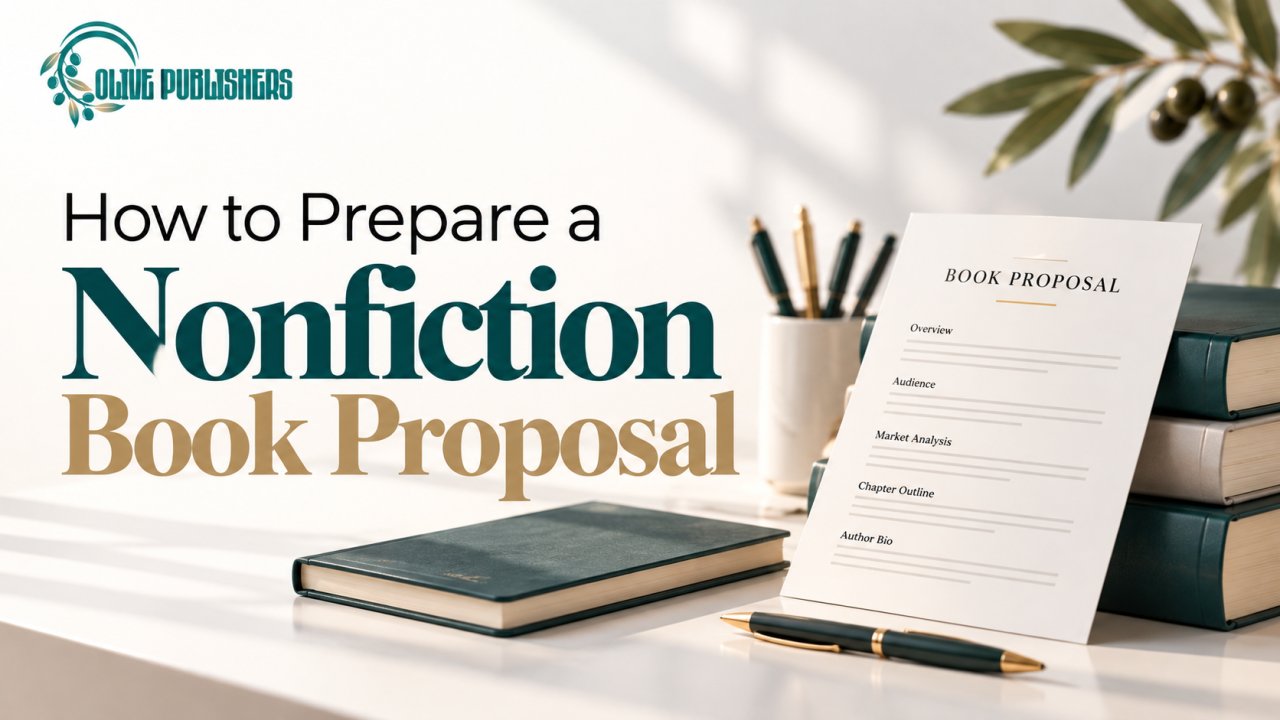
Book publishing services is part of a successful approach when it helps readers solve a real problem. A nonfiction book proposal explains the book's concept, intended audience, market context, author credibility, competing titles, chapter plan, and sample writing. Its job is to help a decision-maker understand what the book offers, who is likely to read it, and why the author is positioned to create it. Requirements differ among agents, publishers, and publishing routes, so follow the specific submission guidelines rather than assuming one proposal format suits every situation.
Understand the proposal's purpose
A proposal is more than a summary of the chapters. It makes a case for the book's relevance and execution. It should show that the author understands the intended reader, the market context, and the work required to produce a useful manuscript. It should also identify the book's distinctive contribution. A proposal cannot guarantee representation, a publishing agreement, or sales, but it can make the idea easier to evaluate and reveal gaps before the author invests in a complete draft.
Write a concise concept statement
Explain the central idea in plain language. Identify the problem or question the book addresses, the reader it serves, and the main reason it is different from existing options. Avoid broad claims such as 'this book is for everyone' or 'nothing like it has ever been written' unless there is evidence to support the statement. A specific concept is easier to test with readers and compare against existing titles. If the idea takes several paragraphs to explain, keep refining it.
Describe the target audience
Define the primary audience by needs, knowledge, context, and motivation. Include secondary audiences only when they are genuinely relevant. Explain what the reader currently uses to learn about the subject and what is missing from those resources. Avoid relying on vague demographic labels without explaining why they matter. A clear audience description helps shape the chapter outline, examples, tone, and marketing approach. It also helps a publisher judge whether the proposed scope is appropriate.
Research comparable titles
Choose recent or still-relevant books that address a similar audience, subject, or reader problem. For each one, summarize the overlap and explain how your project differs. The purpose is not to criticize other authors or claim there is no competition. Comparable titles demonstrate that you understand the shelf and can position your contribution. Check publication details and descriptions carefully. If the proposal argues that a gap exists, explain the gap with evidence rather than relying on personal opinion.
Explain the author's platform honestly
Include relevant professional experience, publications, speaking, teaching, community involvement, or direct access to the intended audience. Use verifiable information and distinguish existing reach from plans to build reach. Do not inflate follower counts or claim relationships that do not exist. If the platform is still developing, describe the realistic plan and the audiences you can serve. Credibility can come from subject expertise and access to readers, not only from a large social following.
Build a chapter-by-chapter outline
Give each chapter a clear title and a concise description of what it covers, what question it answers, and how it advances the book's argument. The outline should show progression rather than list unrelated topics. Explain where the book introduces key ideas, presents evidence, explores case studies, and addresses limitations. If two chapters overlap, distinguish their functions or combine them. The outline should be detailed enough to demonstrate a coherent reading experience without trying to summarize every paragraph.
Prepare strong sample material
Follow the submission requirements for sample chapters or sample pages. Choose material that demonstrates the book's voice, clarity, structure, and ability to deliver on the promise. A sample should make sense to a reader who has not seen the outline. Avoid beginning with a long preamble that delays the substance. Check citations, transitions, and factual claims. If the subject requires specialist review, explain the review plan rather than implying that an early sample is beyond correction.
Address research and access needs
Describe how the book will be researched, including interviews, documents, data, archives, or fieldwork where relevant. Identify access that is already secured and access that still needs permission. Explain how claims will be checked and how sensitive information will be handled. For technical or regulated subjects, identify the need for qualified review. A realistic research plan is more persuasive than a claim that everything can be verified later without time or budget.
Choose a realistic scope and schedule
Estimate the manuscript length and delivery schedule based on the subject and available material. Explain whether the manuscript is complete, partially drafted, or still at the proposal stage. Include the major work phases and any dependencies, such as interviews or permissions. Avoid choosing a deadline only because it sounds competitive. A schedule that accounts for research, drafting, revision, and fact-checking is more credible than an optimistic promise that ignores the real work.
Adapt to the publishing route
Traditional publishers, independent presses, and service providers may request different materials and make different decisions. Read the current submission instructions carefully. Some publishers accept proposals for nonfiction before a full manuscript is complete, while others have different expectations. A self-publishing project may use a proposal internally to clarify positioning and scope even when no agent is involved. Do not send identical mass submissions when a recipient asks for specific materials or does not accept unsolicited proposals.
Common proposal mistakes
Common mistakes include an unclear audience, a concept that is too broad, unsupported market claims, superficial comparable-title research, an outline that repeats itself, and an author biography that exaggerates reach. A proposal can also fail when it promises outcomes that the manuscript cannot deliver. Ask an informed reader to explain the book's promise after reading the concept statement. If they interpret it differently from you, clarify the positioning before submission.
A final proposal checklist
Check that the concept is concise, the audience is specific, comparable titles are accurate, the author's credentials are verifiable, and the chapter outline forms a logical progression. Confirm that sample material is polished and that every required element is included. Follow formatting and submission instructions. Keep a versioned copy of the proposal and record which version was sent to each recipient. Update it when the concept or market context changes materially.
Conclusion
A strong nonfiction proposal combines a clear idea with evidence that the author understands the reader and can execute the project. Define the audience, explain the book's distinctive contribution, research comparable titles, outline the chapters, and present a realistic plan for research and delivery. Use the proposal to improve the book as well as to present it. When you need help moving from concept to manuscript and publication planning, Olive Publishers offers writing and publishing support for authors. For authors who want coordinated help, explore book publishing services from Olive Publishers to discuss the needs of your project.
Write the positioning in plain language
The proposal should make sense to someone who is not immersed in the author's specialty. Replace internal jargon with clear explanations and define unavoidable technical terms. Ask a reader outside the field to summarize the concept after reading the first page. If the summary differs from the intended promise, clarify the positioning. Plain language does not reduce sophistication; it allows the reader to understand the value of the idea without unnecessary effort.
Show why the timing matters without hype
Explain why the topic is relevant to the intended audience now. This may involve a real change in practice, an unresolved problem, new evidence, or a persistent need that existing resources do not fully address. Avoid claiming that a subject is unprecedented or urgent without support. If the book's relevance is durable rather than trend-driven, say so. A credible case for timing helps the reader understand the proposal's context without relying on exaggerated market language.
Make the sample reflect the proposed book
The sample chapter should match the voice, depth, and structure described in the proposal. If the outline promises a practical, evidence-led book, the sample should demonstrate that approach. Check that examples are representative and that citations are traceable. Avoid submitting a polished opening that does not resemble the rest of the planned manuscript. Consistency between concept, outline, and sample makes the project easier to assess.
Keep market claims evidence-based
If the proposal includes audience size, industry growth, or sales information, cite sources that can be verified and explain what they measure. Do not confuse the size of a broad industry with the likely audience for one title. Avoid unsupported sales forecasts. A realistic discussion of readership and reach is more persuasive than inflated numbers that a decision-maker can quickly question.
Prepare for submission follow-up
Keep a record of submission dates, recipient requirements, version sent, and any requested follow-up window. Do not send repeated messages too soon or ignore instructions about simultaneous submissions. If feedback identifies a recurring weakness, consider revising the proposal before sending it elsewhere. A disciplined process helps the author manage outreach professionally and learn from the responses received.
Frequently Asked Questions
Do I need a complete manuscript for a nonfiction proposal?
It depends on the publisher or agent's guidelines. Some consider proposals with sample chapters, while others require different materials. Always follow the recipient's current requirements.
How many comparable books should I include?
Include enough relevant titles to show you understand the market and can explain the project's difference. Quality of analysis matters more than a long list.
What if I do not have a large author platform?
Be honest about your current reach and explain your relevant expertise, access to readers, and realistic plans. Do not inflate numbers or promise an audience you do not have.
Can a proposal help self-published authors?
Yes. It can clarify the audience, positioning, chapter structure, research needs, and production plan even when no traditional publisher is involved.
Should I hire someone to help with a proposal?
Editorial or writing support can help sharpen the concept and structure. Make sure the final proposal accurately represents your expertise, plans, and commitments.